Core Net Water Solutions — Permian Basin
Start a Conversation

Every barrel of produced water has to go somewhere. Most operators are figuring that out one day at a time.

The Problem

Your SWD was full.
You found out when the truck was already there.

Most operators are managing produced water disposal the same way they always have — calling around, rerouting trucks, reacting to whatever the day brings.

When your primary disposal well hits capacity, the scramble starts. Spot trucking at whatever rate the market will bear. Phone calls to find a backup SWD that can take your load today. Field staff pulled off other priorities to coordinate logistics that should already be handled.

```

This isn't a bad week. It's the baseline.

Disposal capacity changes without warning. Pricing shifts when you need it least. And every barrel still has to go somewhere.
```
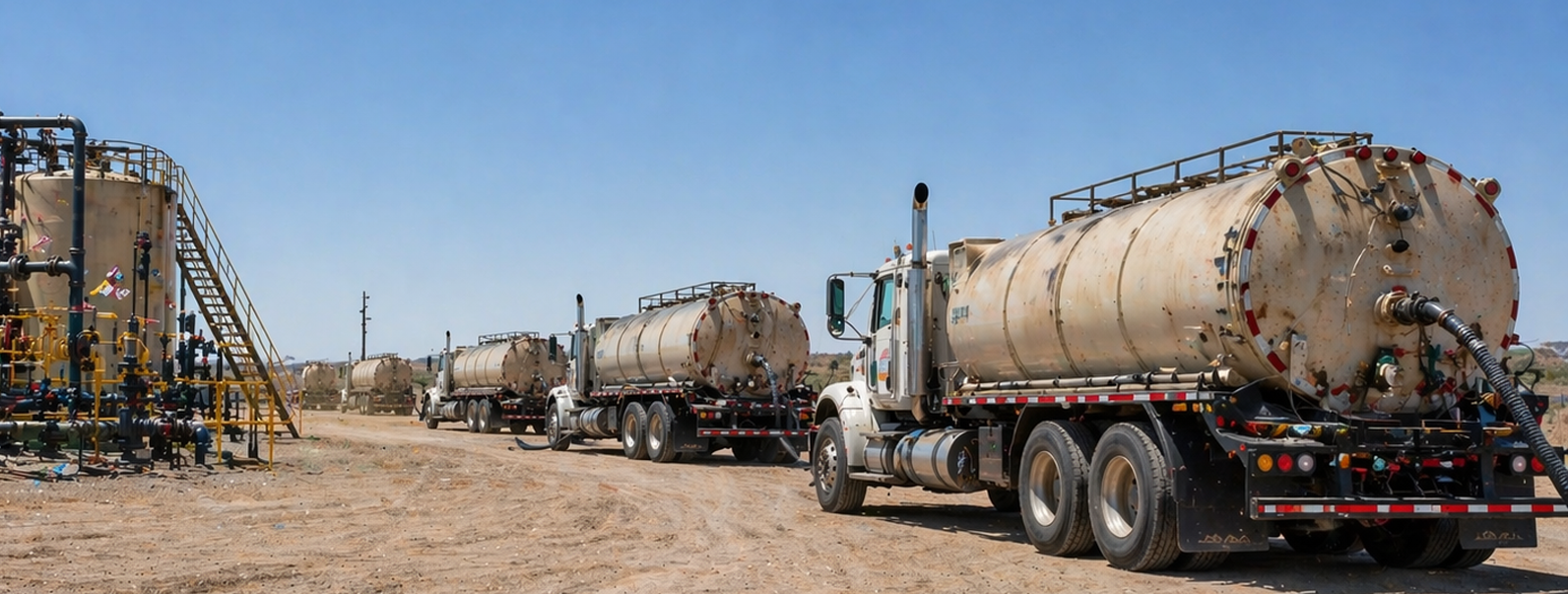
Produced water trucks staged at an SWD injection well
What We Do

We take the disposal problem off your plate. Entirely.

Core|Net manages your produced water disposal under contract — securing disposal capacity, coordinating trucking, and routing your volumes where they need to go, when they need to get there.

You sign a water management agreement. A custody transfer meter goes in at your tank battery. From that point, your field team calls one number. We handle everything else.


Guaranteed minimum daily intake — we're contractually obligated to take your water
Fixed per-barrel pricing for the contract term — no surprise rate increases
Daily volume reporting to your team — destination, volume, cost, every day
Backup disposal options already in place before you ever need them
Core Net operations — routing coordination and disposal management
The Data

Why contracted disposal isn't optional anymore.

Produced Water Volume Is Growing Faster Than Oil
Million barrels per day — Permian Basin
Sources: AOGR, Shamrock Precision, B3 Insight, Enverus
Spot Trucking Costs 8× More Than Contracted Disposal
Cost per barrel by disposal method
Sources: Wood Mackenzie, B3 Insight, SPE Journal
How It Works

From first conversation to water moving — four steps.

01
We learn your operation.
Current disposal cost, daily volumes, routing, and where the pain is. One conversation — no deck, no pitch.
02
We build the arrangement.
Disposal capacity secured, trucking scheduled, backup options confirmed. We don't sign a contract until we know we can deliver on it.
03
Contract signed. Meter in.
A water management agreement with fixed pricing and guaranteed intake. A custody transfer meter installed at your tank battery within two weeks.
04
Your water moves. You stop managing it.
Daily reporting. One contact number. No more 6am calls about SWD capacity. That's our problem now.
Produced water truck in the Permian Basin at sunrise
Get Started

If water is slowing down your operation, that's exactly what we're here to fix.

The first conversation is straightforward. Tell us what your disposal situation looks like — volumes, current cost, where the problems are. We'll tell you what we can do and what it costs. No obligation, no pitch.

Start a conversation